Blog

The official photo blog of J. David Buerk Photography.

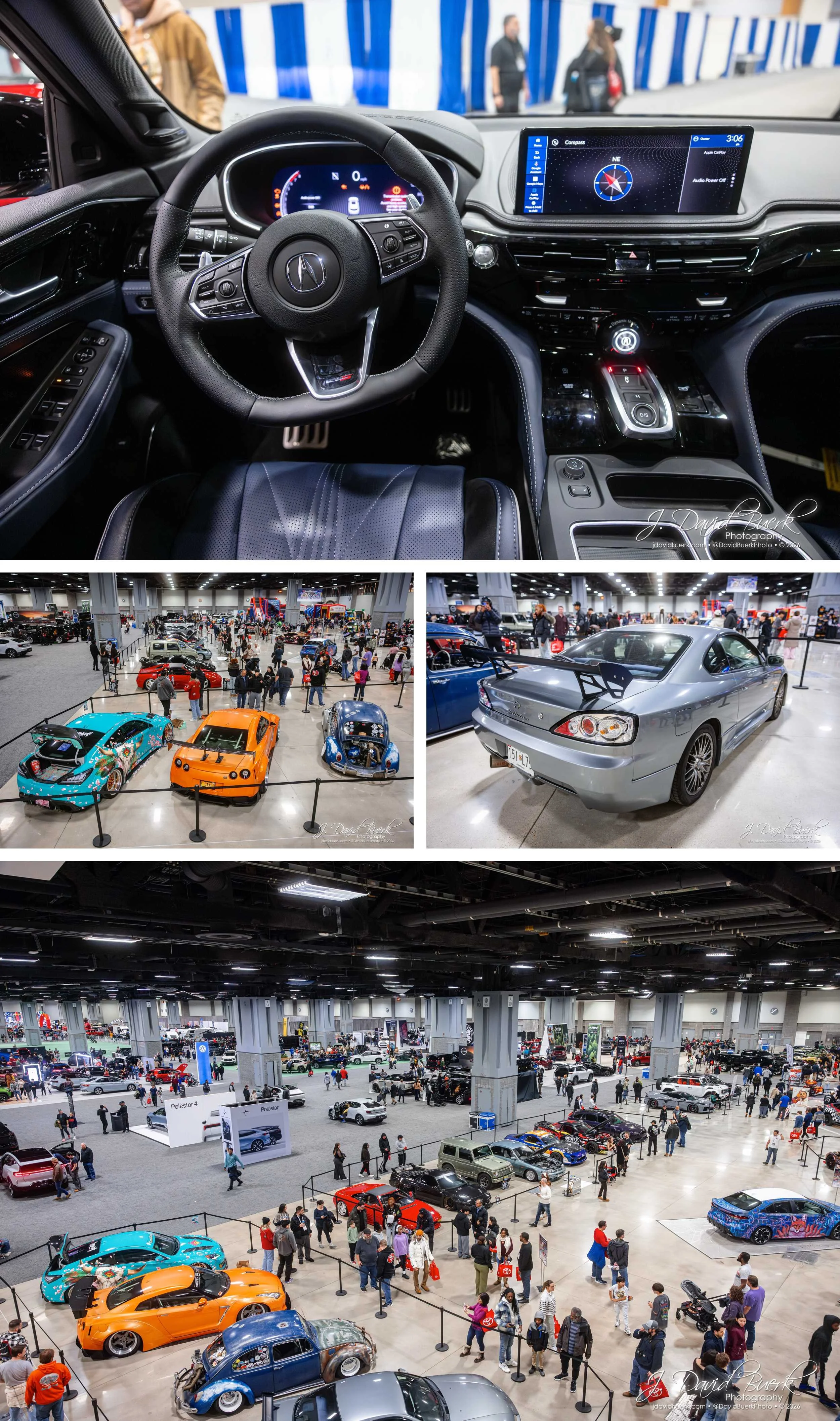
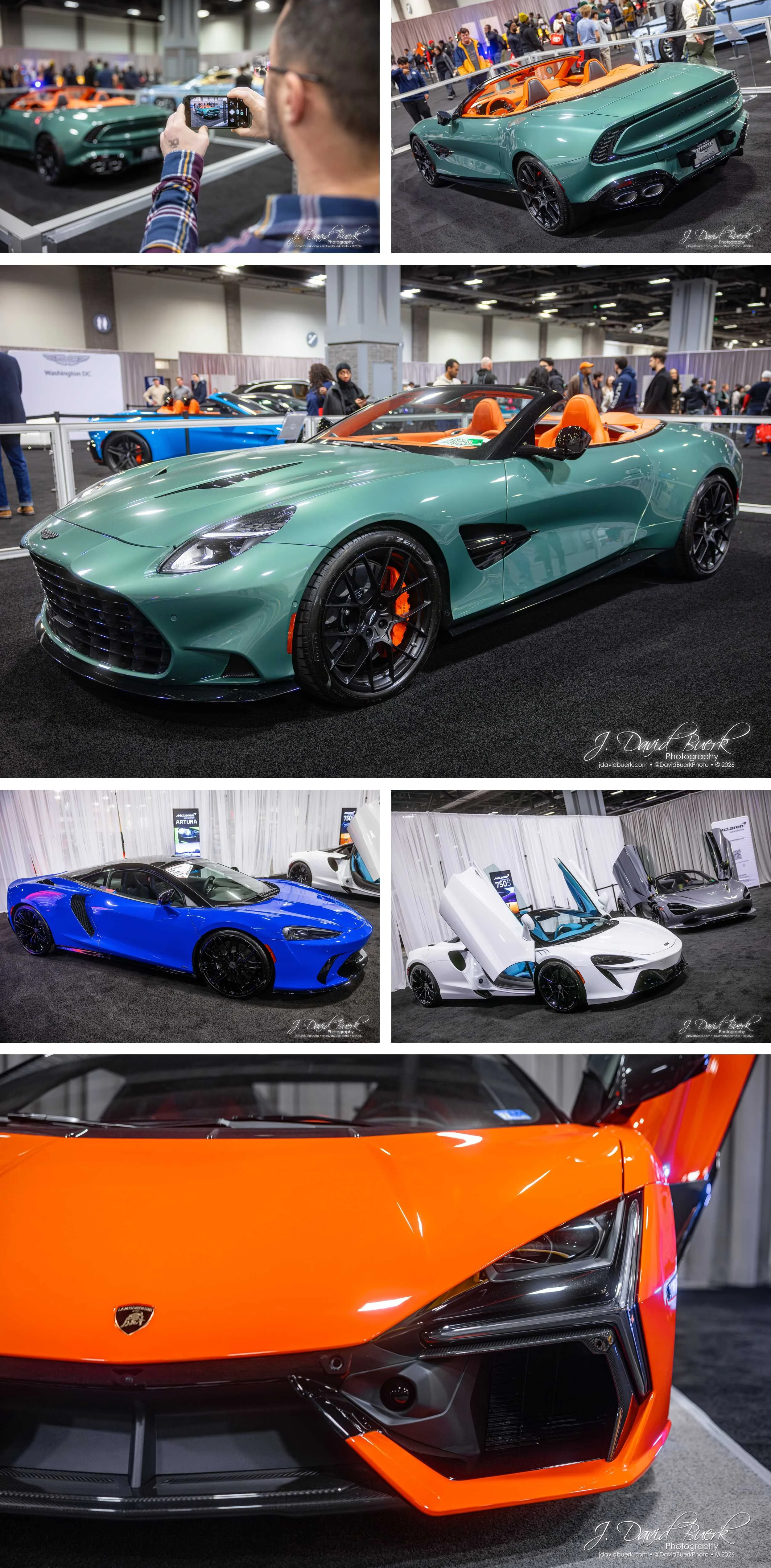
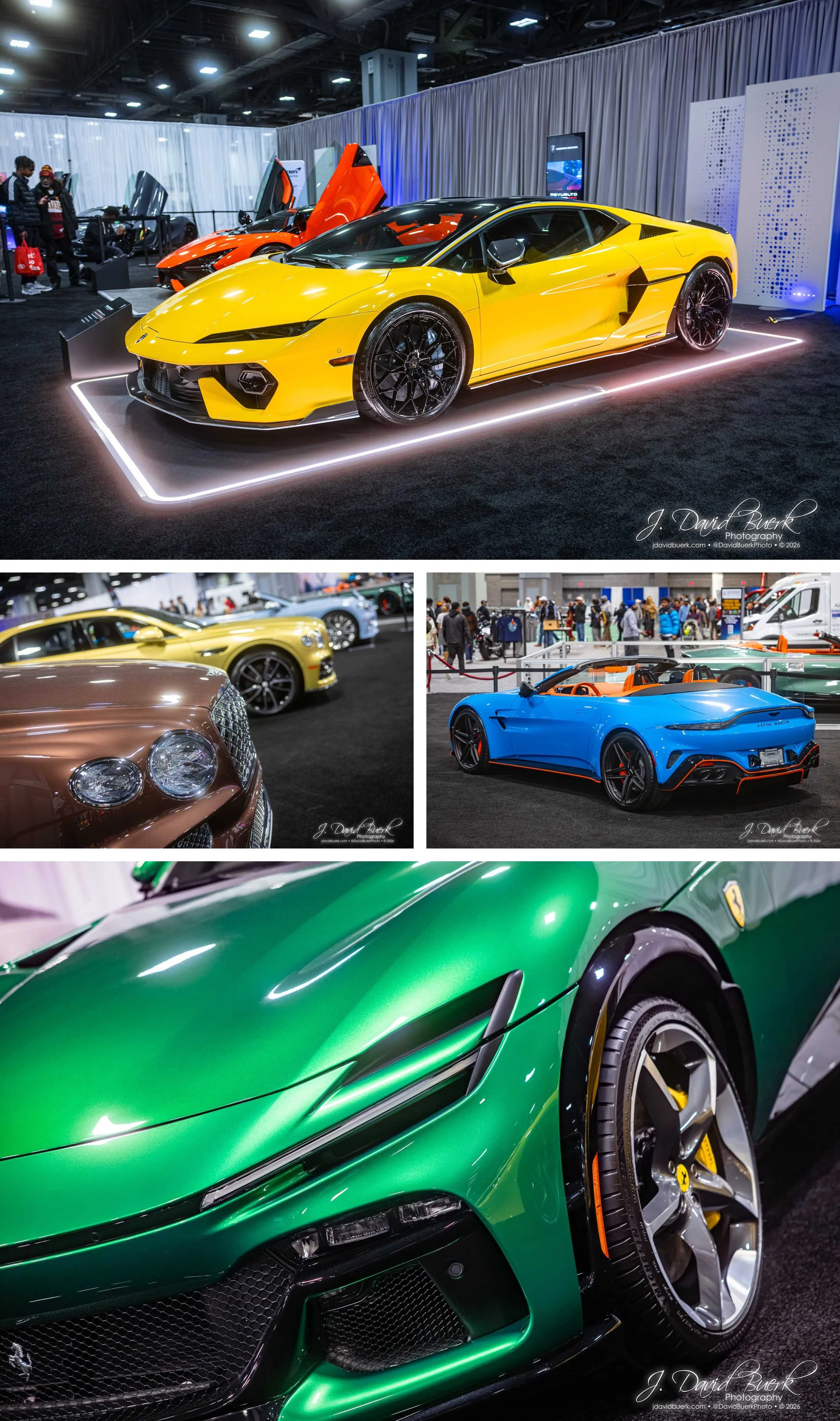
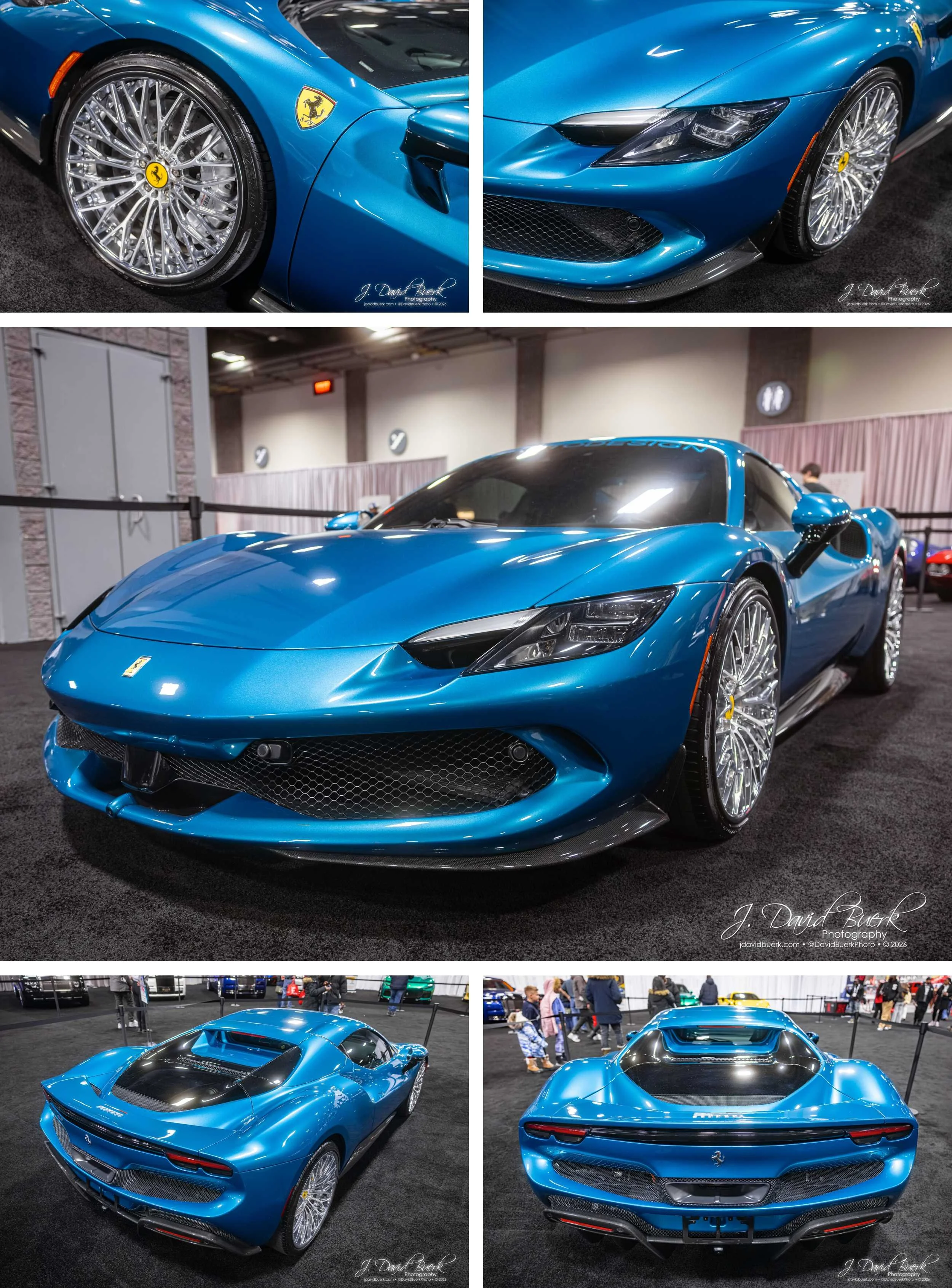
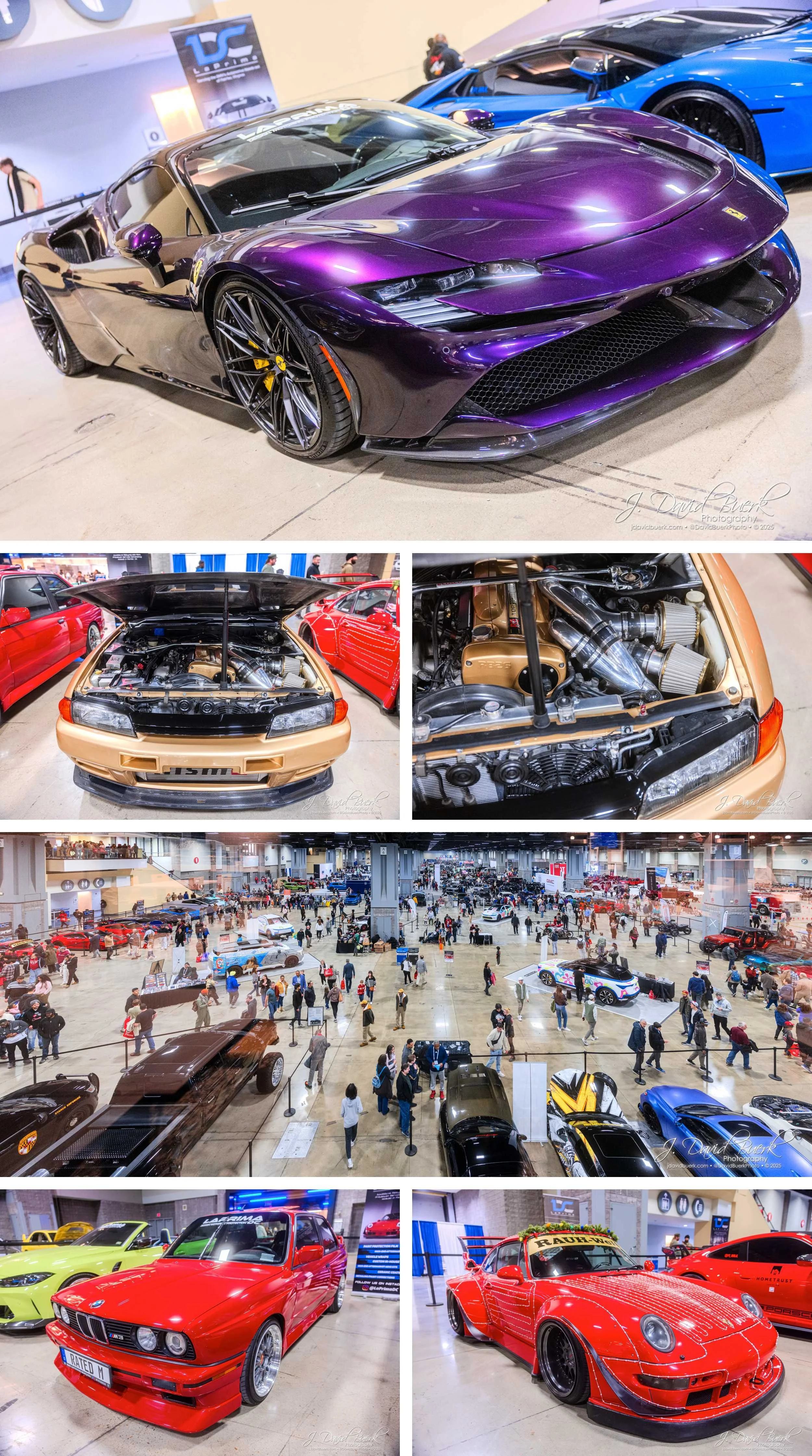
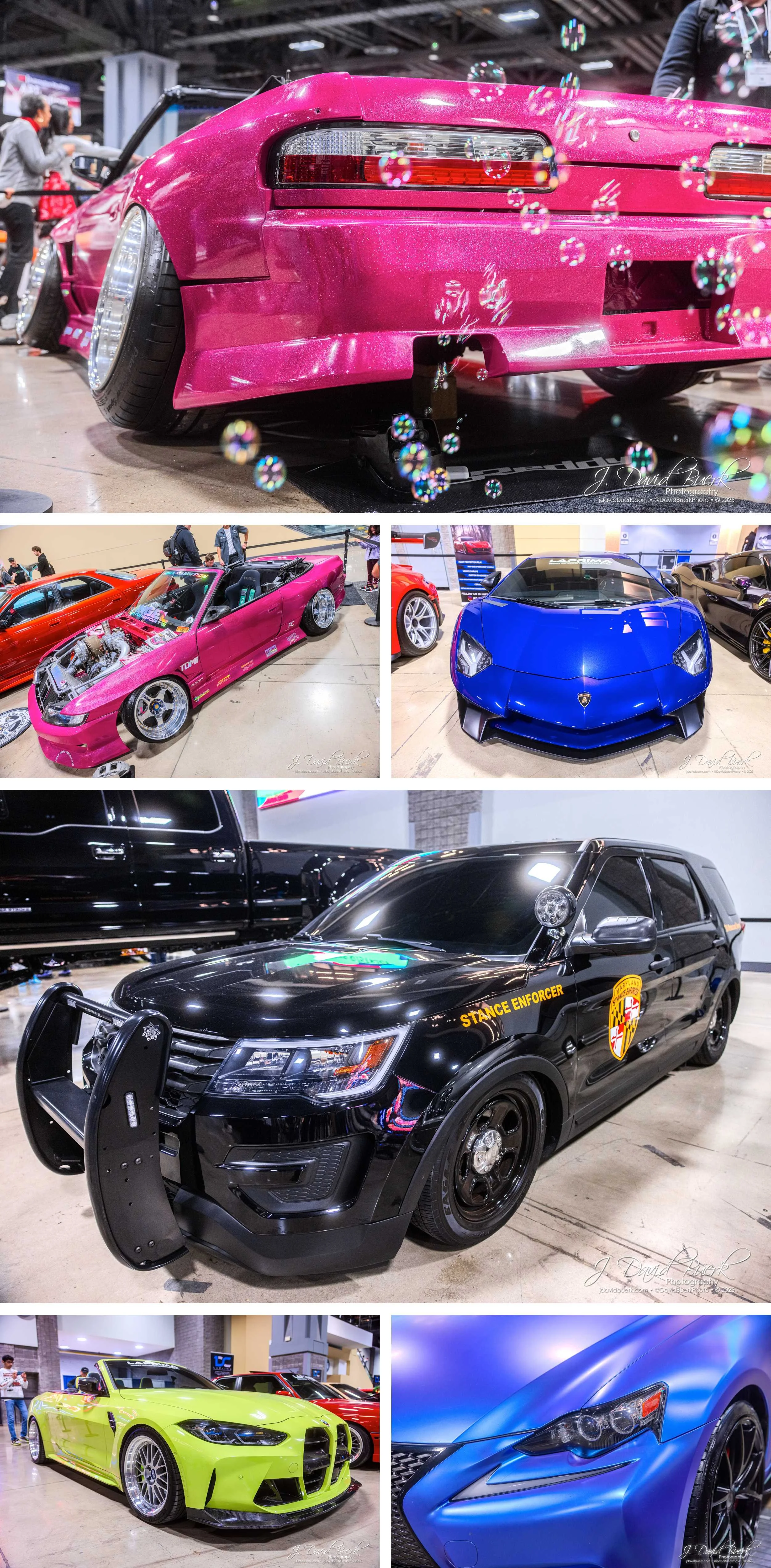
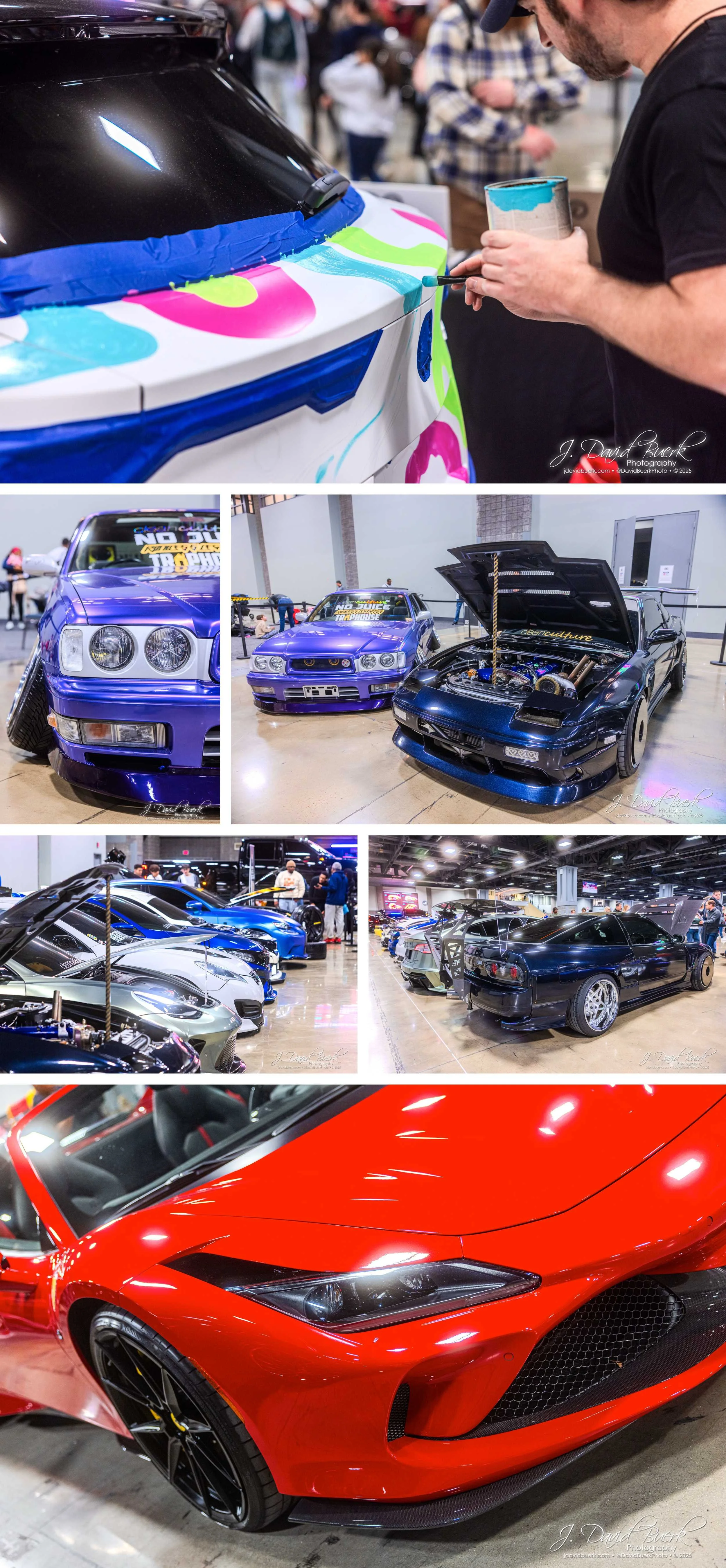
2026 Washington Auto Show

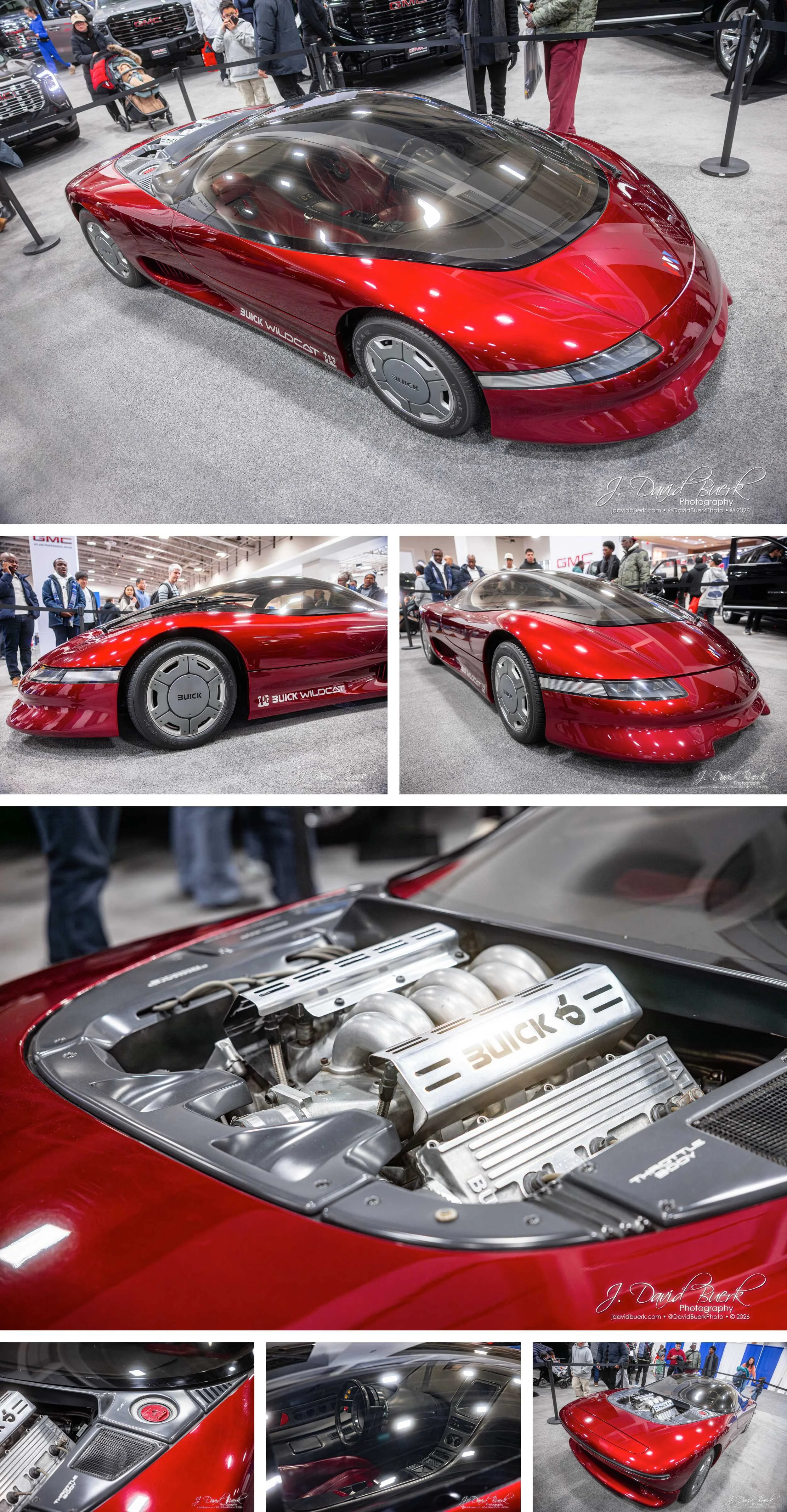
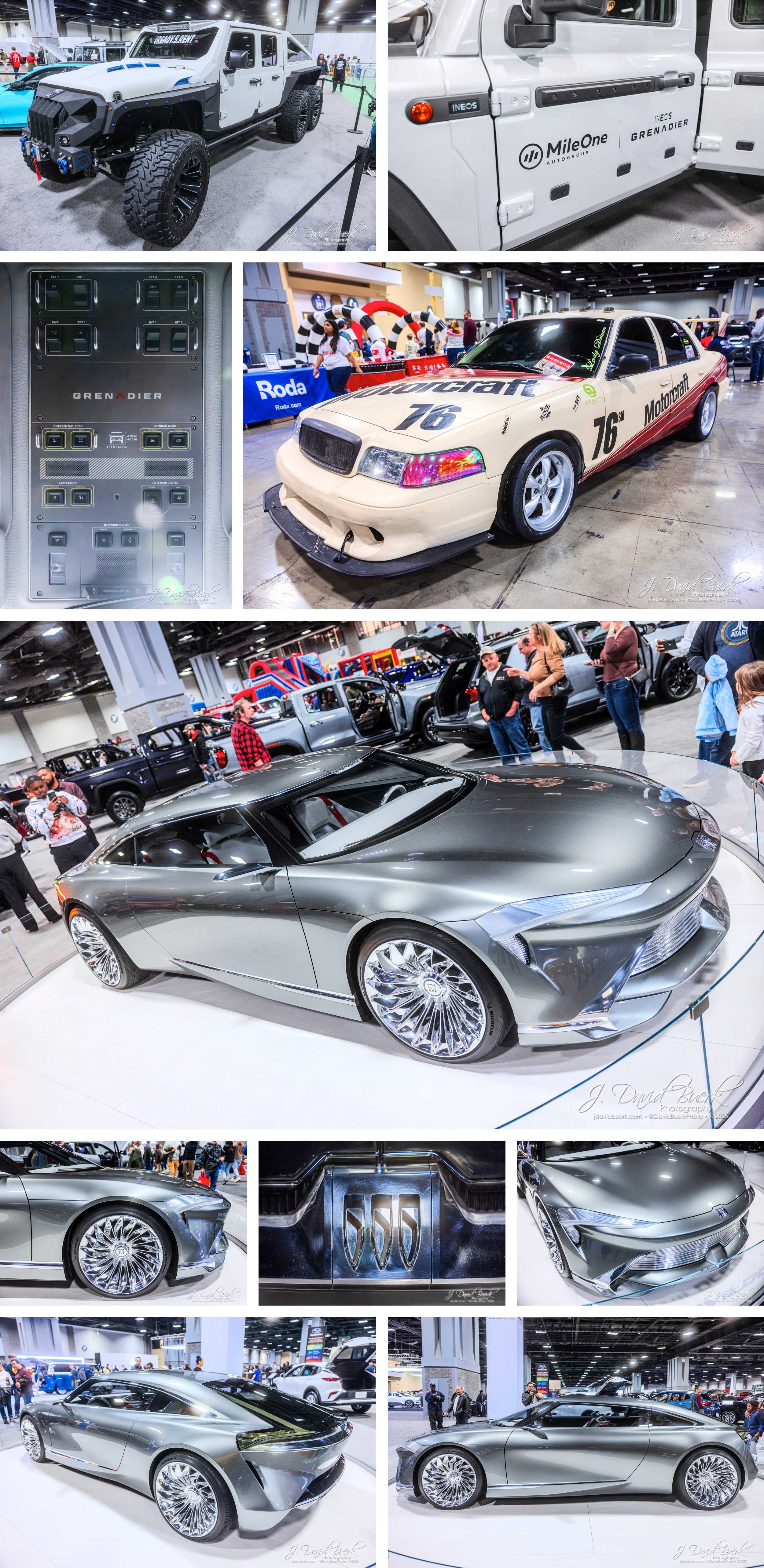
In 2025 we got to see Buick’s Wildcat EV, and this year brought the new concept car’s roots to the show in the form of the original 1985 futuristic testbed (and legendary Hot Wheels).

First unveiled in 1985, the Buick Wildcat concept was a sleek, forward-looking statement of where General Motors imagined American luxury performance could go: low, wide, unapologetically futuristic, and packed with then-cutting-edge digital instrumentation.  Seeing the original Wildcat on the auto show floor this year made for a striking time-warp moment, especially when viewed through the lens of last year’s Wildcat EV debut.  While the 1985 concept leaned into Bézier curves, aviation influence, and analog futurism, the modern EV reinterpretation carries that same experimental spirit forward with smooth surfaces, bold proportions, and an all-electric ethos.  Nearly four decades apart, both Wildcats serve the same purpose: less about production reality, and more about Buick staking a claim on what its version of the future looks like.

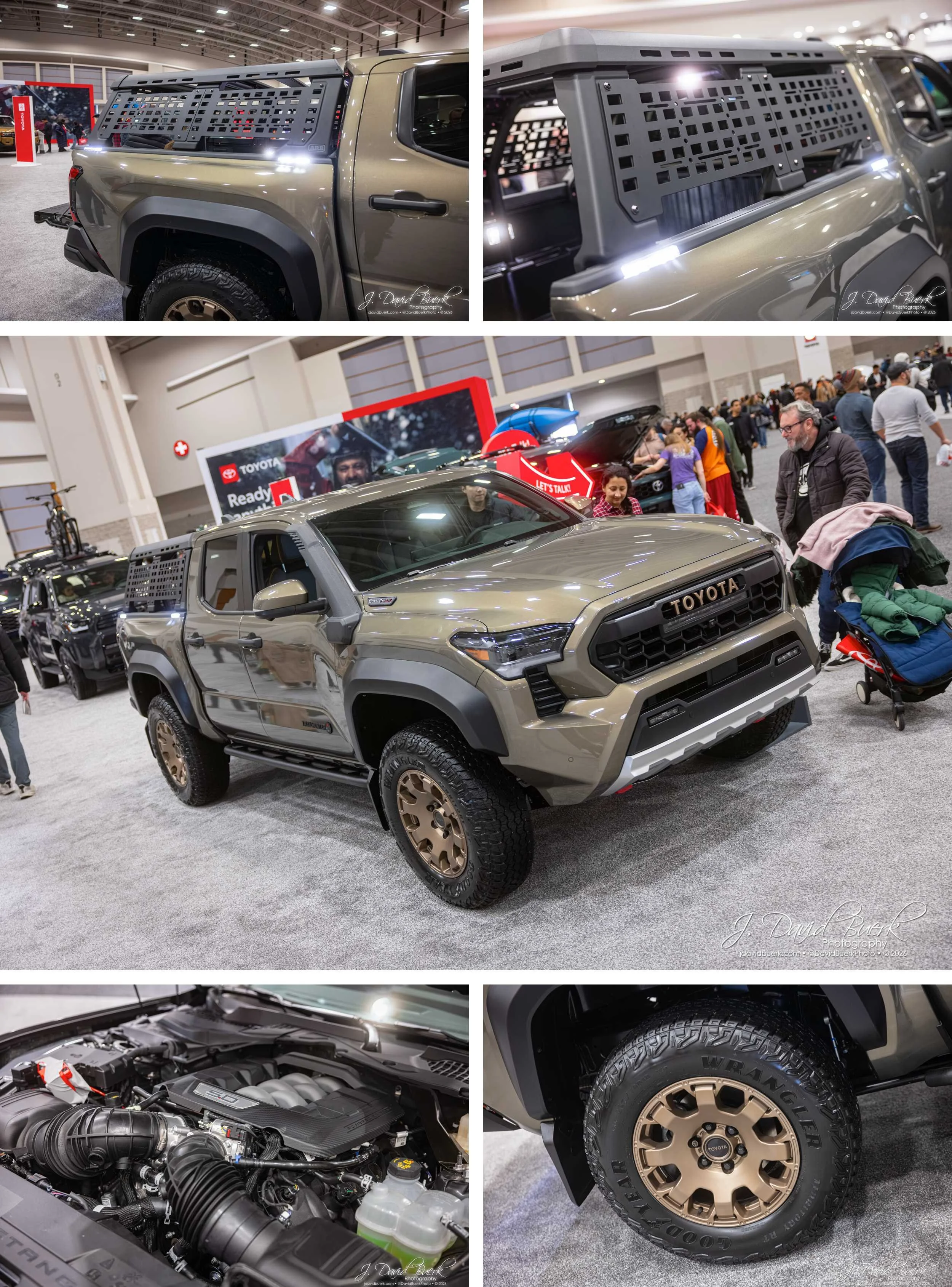
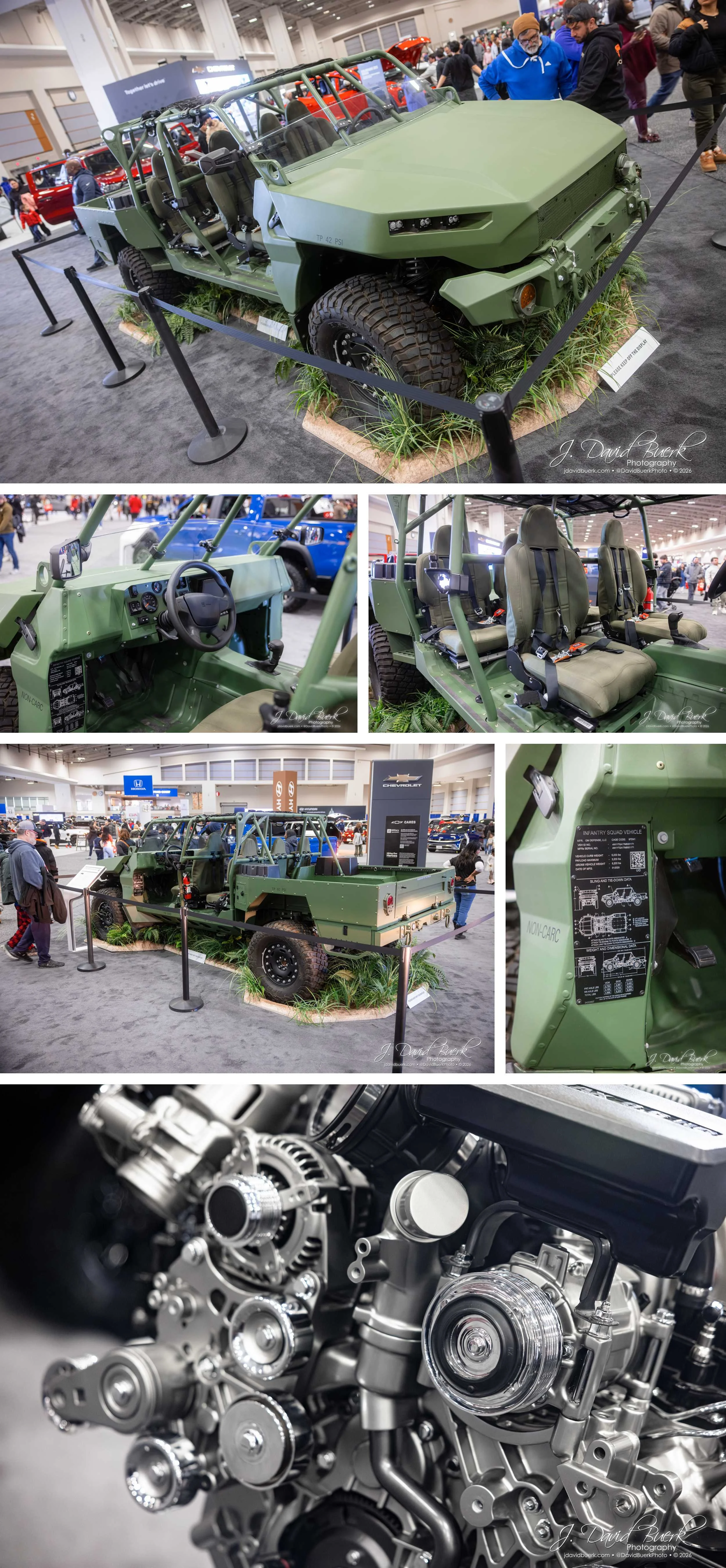
The Washington Auto Show sadly seems to shrink every year these days, and this year felt especially small, with fewer attendees due to the snowstorm still impacting the region, and large swaths of missing attendance - I remember the days when German manufacturers were on display, and luxury marquees such as Lexus, Porsche, BMW, Mercedes, Lincoln, Cadillac, and Jaguar were all highlights; this year, not even Nissan was included in the Japanese offerings - very disappointing annual downsizing.  Based on this, I was shocked Alfa Romeo and Land Rover both had small displays.
Exotics are always present in some capacity, but these are halo cars for the average attendee; I’m speaking about the missing makes attendees previously would have been able to experience the product.
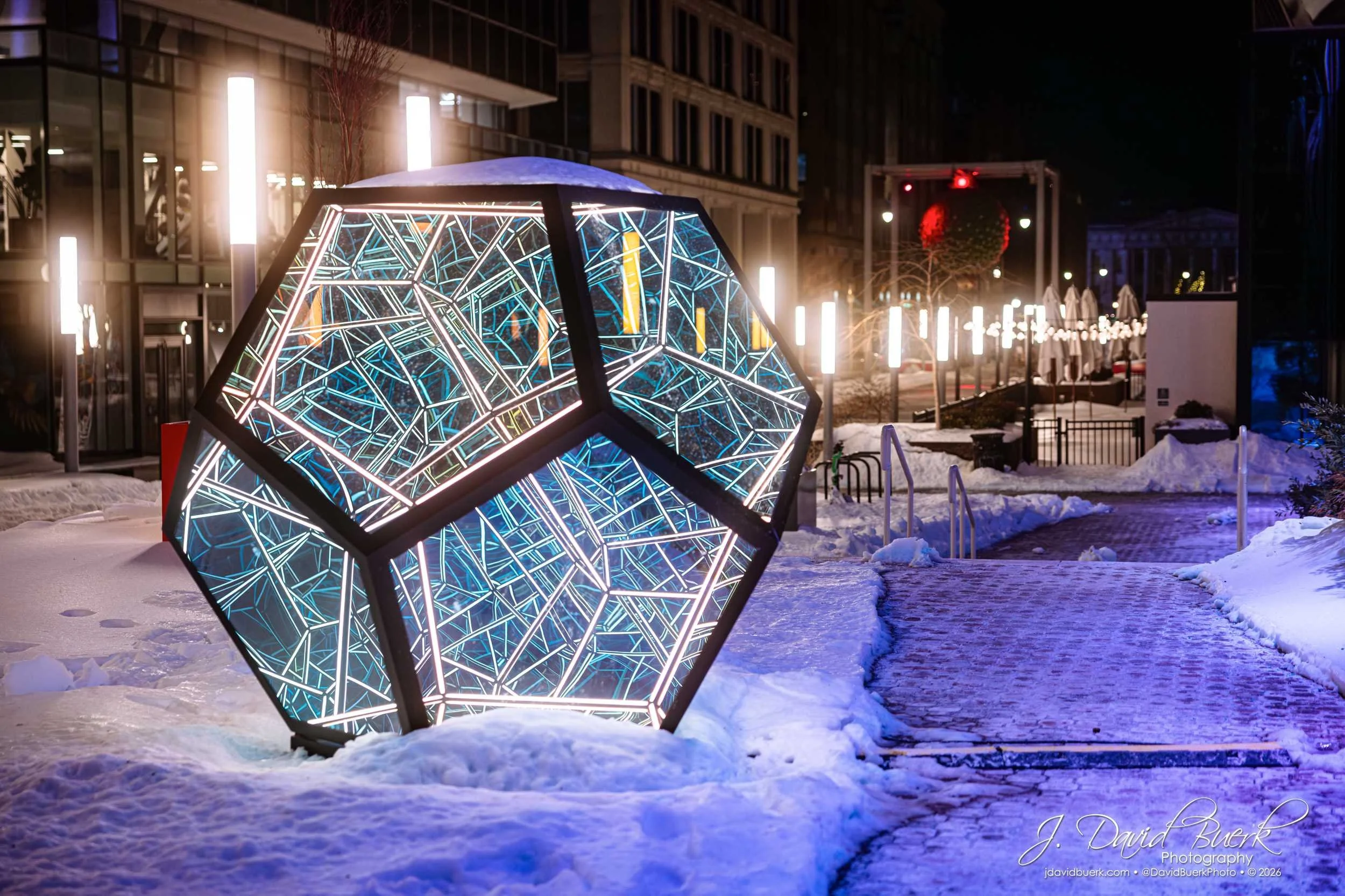
After the show, a cool scene of chilly, ice covered DC:
2025 Washington Auto Show + HDR Commentary

Today’s post comes with a giant 🤓nerd-alert🤓, as I discuss technical details in an evolving World of imaging, applied to car geekery.

Like most years at the Washington Auto Show, I spent my time at 2025’s expo exploring the show floors with a camera, using the event to casually experiment and hone skills in between exploring the latest automotive offerings.  Practicing upcoming techniques in no-pressure situations is a great risk-free way to keep skills on the cutting edge.

Last year I gathered footage to practice with my HDR video editing workflow.  This year I did the same with some proper 120fps footage, and also edited all still images from the day in HDR, as HDR still formats are upcoming and I like always staying knowledgeable and prepared.

I’ve edited several personal photosets in HDR to practice and learn how the new formats accommodating expanded range of luminance is currently able to be edited and to ensure backward compatibility with SDR displays - for video, HDR is widely available and supported, with practically all new TVs and productions available in HDR formats.  Photos, surprisingly, however, are supporting HDR after video, with the format war still raging on; the predominant image format and paired colorspace has not been determined yet.

HEIF/HEIC seems to be the best choice, closely related to the HEVC video standard most end-user and web HDR video is deployed as: its high efficiency compression and support of gain maps and modern colorspaces like P3, however end-user support is still limited so it has not flourished except for Apple’s usage encouraging support to expand.  AVIF is a similar format that is promising, but even less widely supported than HEIC.  JPEG XL is not new, but is a much modernized expansion of the original staple JPEG format.  Then there is finally standard JPEG, which can be encoded with a gain map to enable HDR on HDR-compatible devices and applications, and is backwards compatible with SDR in the existing standard, however it is the least efficient of these filetypes, and gain maps are something of a tack-on making these files not always interpreted correctly by some applications.

Possibly a larger issue is how HDR stills can currently be edited.  One can edit a RAW file in HDR using the standard color and contrast edits we all know and love, however editing software may also offer SDR compatibility proofing and grading, which I’ve found is not able to exactly match the HDR grade - this is a critical shortcoming in terms of backward compatibility, and ensuring a consistent deliverable to end-users.  Furthermore, editing HDR images in Photoshop and maintaining the correct grading and luminance mapping is spotty, with use of Generative AI tools strangely returning SDR results in Photoshop while the same generative utilities used in Lightroom directly on a RAW file returning HDR results (or a result that is at least properly mapped to the image’s luminance - I must assume it is generating an SDR image and an HDR gain map to pair).

In short, despite HDR video being widely supported, support of HDR still images is still extremely limited, and is not currently ready for widespread use: compatibility is king, and SDR still images are still the standard one should be using for anything mission-critical, ie client deliverables.

NOTE: The images in this post are NOT HDR; they are SDR-only; my hosting provider currently does not support HDR filetypes, as it converts all uploaded media to standard SDR JPEGs for web efficiency - hopefully some day in the future HDR data will not be stripped, and modern filetypes will be supported.  These images were natively tone-mapped on export for viewing in SDR as close as possible to their HDR versions.

2024 DC Auto Show

It’s been tradition amongst my friends ever since college to visit the DC Auto Show every year - the only years I’ve not attended were the year it was cancelled due to COVID, and the one year I happened to be buying a car the same day of the show.

This year was no different; we made a day of it and explored the show as usual.  This year I did something a bit different, and took some video clips in addition to my usual photographs of whatever caught my eye - I treated this as an exercise to sharpen my skills with a new video editing suite, and perfect my HDR and high framerate workflows.

After the auto show, we all met up with some friends at our favorite cozy spot in the district.

Punkin Chunkin 2013

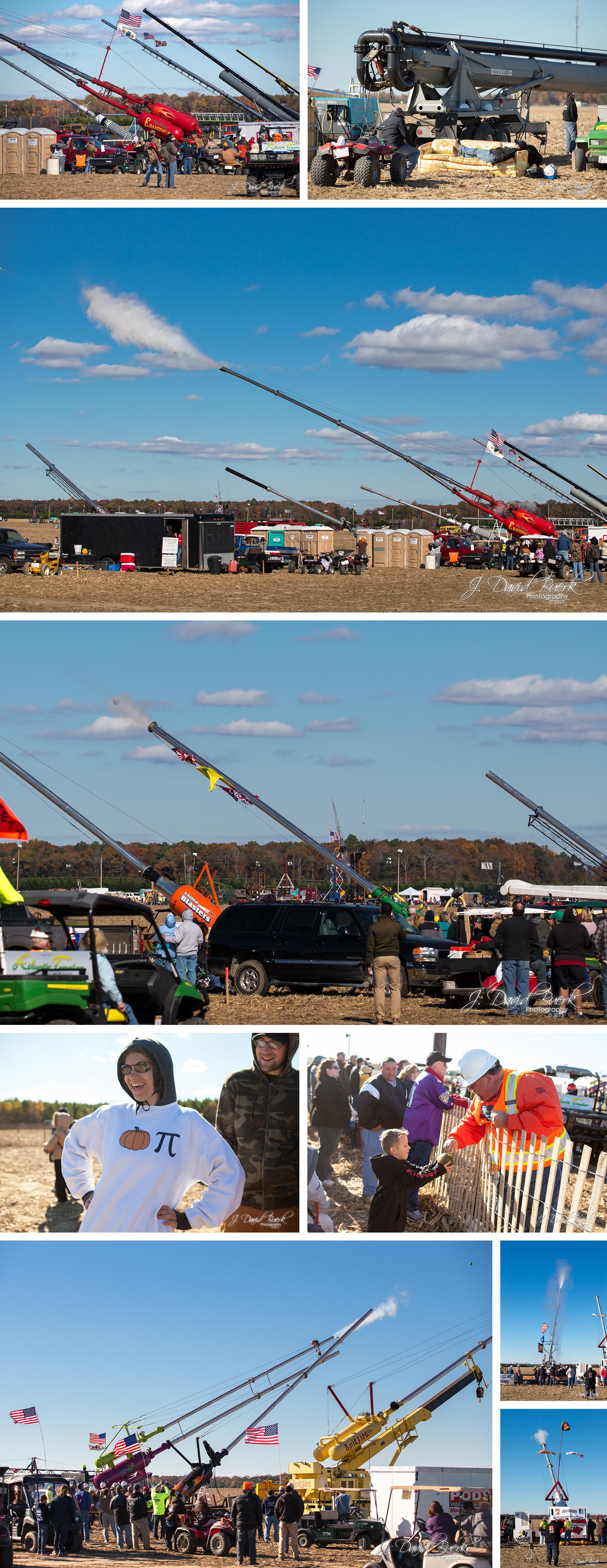
I've always watched it on The Science Channel, but until last year, I didn't realize how close The World Championship of Punkin Chunkin actually is - just a few hours away, in Southern Delaware, halfway between the Chesapeake Bay and Rehoboth Beach.  2013 was my first Chunk as a spectator.  I'll preface by saying that what you see on The Science Channel is nothing like the actual event's atmosphere - Discovery Communications has some fantastic videographers and editors that manage to condense three days of competition into just one hour of highlight footage. Unfortunately I missed the Trebuchets, which were my largest interest in the competition.  I did, however, see most of the Air Cannon class, and a few of the Centrifugal and Catapult Chunkers.  "Bad to the Bone," the Chunker I wanted to see most, unfortunately broke down and was unable to Chunk.  Other highlights included  "Chunk Norris," and the Human Hamster Wheel powered Chunker, to which the crowd cheered, "GO, HAMSTER, GO!"  Pumpkins were painted green for visibility, though they often travel so far so quickly downrange that you still lose sight of them.  Occasions where Chunkers "pied" resulted in tiny gobs of green pumpkin spraying onto spectators due to the strong wind contestants were firing into.  It was a blast, and I can't wait for the 2014 Chunk!

See all my Punkin Chunkin photos on Facebook... and don't forget to Follow me for updates!

01
02

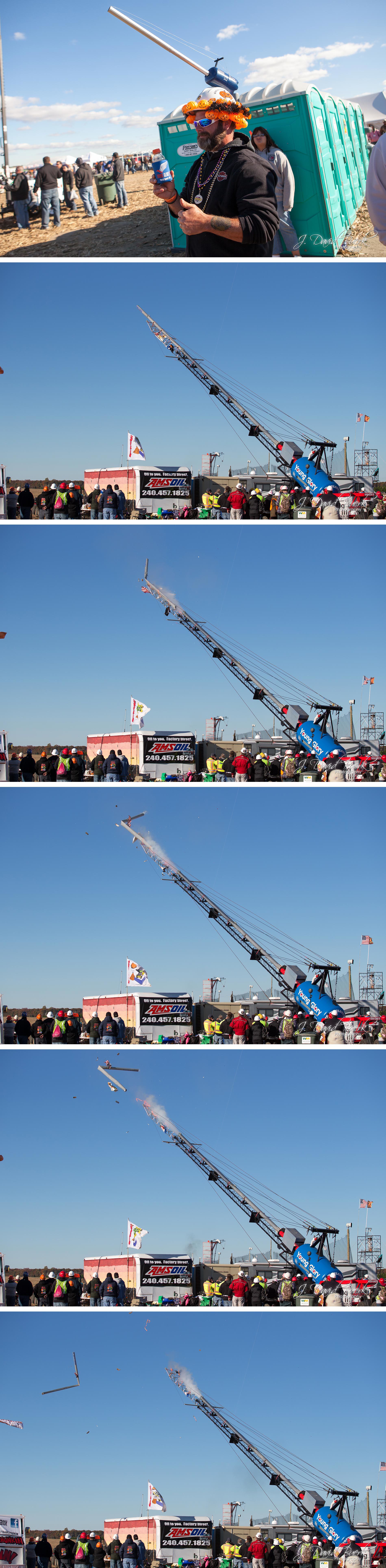
Many long distance Chunks, a few pies, and a handful of breakdowns... but nothing compared to Young Glory III (Punkin Chunkin World Record Holder), which was the very last Chunker to fire in 2013's competition.  Young Glory III fired with brute force of air pressure; so much that it blew off and collapsed the last 1/3 of its barrel.  Clearly my 1D X is an overpriced 18 megapixel GIF machine, because at 12 frames per second, I captured Young Glory III's self-destruction.  Luckily for the team, the damage didn't look too terribly difficult to fix for next year's Chunk.

2013PunkinChunkin_YoungGloryIII_Malfunction_Watermarked

The result was so impressive that Kari Byron live-tweeted it.  I replied to her, and Tory Bellaci retweeted my photo.

An air cannon just exploded and flew over my head! pic.twitter.com/JHqIn9o8N8

— Kari Byron (@KariByron) November 3, 2013

Here's the air cannon malfunction @KariByron talked about. @DavidBuerkPhoto: More on http://t.co/KAH0CQK2ie soon. pic.twitter.com/fKccOuy13Y

— Tory Belleci (@ToryBelleci) November 4, 2013

I later posted the GIF above, to which Tory responded,

@DavidBuerkPhoto@KariByron That's cool!

— Tory Belleci (@ToryBelleci) November 4, 2013

My pleasure Tory!  Thanks so much for retweeting, and taking the time to respond back.  Hey, if you're reading this, can you get me a photography job at Discovery Communications... or at least a Press Pass to next year's Punkin Chunkin?  I'm 100% completely serious, dude - Discovery is a dream job for me.

Here's "Young Glory III" in high-res.  See you all at next year's Punkin Chunkin!

03

I also have a few video clips of the Chunkers below. Don't forget to Follow facebook.com/jdbphoto to keep up to date on all my latest work and adventures!